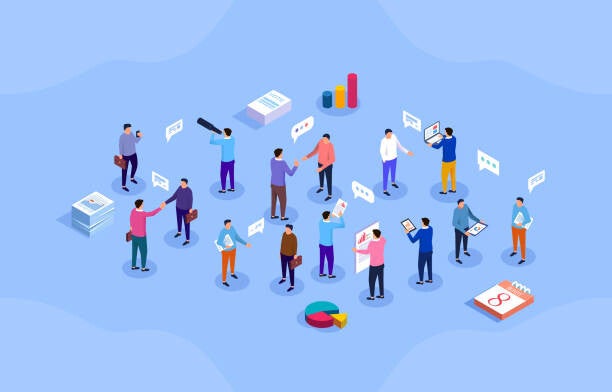
Navigating Digital Platforms

Apps like Instagram, TikTok, and Snapchat might seem like simple places where you scroll, watch videos, and talk to friends—but there’s actually a lot more going on behind the scenes.

These apps are built as systems that organize information, keep track of what you do, and decide what to show you next. This is where platform literacy comes in. Platform literacy means understanding not just how to use an app, but how it works in the background—like how it chooses your feed, collects your data, and keeps you coming back.

If you don’t know how these systems work, it can feel like everything you see online just “appears” randomly. But that’s not true. What you see is carefully chosen and personalized just for you.

In this section, you will learn how apps aren’t just fun tools —they actually shape what we pay attention to, how we interact, and even how we see the world. By learning how platforms work, you can start to notice these patterns and better understand your own online experience.

What is a platform?

You probably use apps like TikTok, Instagram, or YouTube every day. Most people think of these as just apps for watching videos or talking to friends. But they are actually something much bigger—they are called platforms. A platform is a digital system that connects people, content, and activities all in one place. That means it brings together users (like you), creators (people who post), and things like videos, messages, and pictures.

On a platform, you can:

  • share your own content
  • interact with others (like, comment, message)
  • watch, read, or explore different posts
  • sometimes even buy or learn things

Many people spend hours each day using them—for entertainment, learning, or staying connected. Even younger kids are using platforms more often, showing how important they’ve become in how we live and communicate. So, instead of thinking of a platform as “just an app,” it’s better to think of it as a system that makes online interaction possible.

One of the most important things platforms do is connect people and content.

On a platform, there are different parts working together:

  • people (users, creators, companies)
  • content (videos, posts, comments, messages)

The platform acts like a middle space that brings these together. It helps you find content, and it helps your content reach other people. For example, when someone posts a video, the platform doesn’t just leave it there. It helps move that video around so other people can see it. When you like, comment, or share something, you are helping that content spread even more.

This is why content can travel so fast online. A single post can go from being seen by a few people to being seen by thousands—or even millions—in a short amount of time. Another reason this happens is because of something called network effects. This just means that the more people use a platform, the more useful and powerful it becomes. More users = more content = more connections.

Platforms also help people connect in different ways:

  • talking to friends
  • discovering new creators
  • following trends
  • even buying or selling things

However, platforms don’t just connect things randomly. They also organize and control how connections happen. Some content becomes very popular, while other content is barely seen. This is because the platform decides how things are shown and shared.

Because of this, platforms play a big role in:

  • what becomes popular
  • what people talk about
  • what ideas spread

So, platforms are not just connecting things—they are also shaping what we see and how we experience the online world.

The Role of Algorithms

If platforms are the space where everything happens, then algorithms are what decide what you see inside that space.

An algorithm is a set of rules the platform uses to:

  • sort content
  • rank content
  • choose what shows up on your feed

There is way too much content online for you to see everything. So, algorithms help by filtering what you see. They try to show you the things you are most likely to enjoy.

They do this by paying attention to your behavior, like:

  • what you watch
  • what you like
  • how long you stay on something
  • what you skip

Even small actions matter. For example, if you pause on a video for a few seconds, the platform learns from that. Over time, the algorithm starts to understand your habits. Then it shows you more content that is similar to what you’ve already interacted with. This is why your feed can feel very “personal.”

Algorithms are also always changing. They are constantly learning and updating based on what users do. This creates something called a feedback loop:

  • You interact with content
  • The algorithm learns from you
  • It shows you more of that content
  • You keep interacting with the same content, seeing no other view points/content

This loop keeps going, shaping your experience more and more over time. Algorithms are designed to keep people engaged. They often focus on showing content that gets attention, like videos that are exciting, emotional, or popular. However, algorithms don’t work alone. They are influenced by how people already behave. For example, people naturally like to connect with others and compare themselves. Algorithms can strengthen these behaviors by showing more of the same types of content. 


Why do Platforms work this way?

By now, you know that algorithms decide what shows up on your feed. But a bigger question is: why are they designed like this in the first place?

The short answer is: algorithms are built to keep you interested and coming back.

Most platforms are free to use. You don’t pay to scroll on TikTok or watch videos on YouTube. So how do these platforms make money? They make money through attention. The longer you stay on the app, the more ads you see, and the more money the platform can earn.

Because of this, algorithms are designed to show you content that will make you:

  • keep watching
  • keep scrolling
  • keep interacting

Instead of showing random posts, the algorithm tries to predict what will grab your attention the most. That’s why you often see content that is:

  • funny
  • surprising
  • emotional
  • or similar to what you already like

In other words, the algorithm is trying to answer one main question:
 “What will keep this person on the app the longest?”

Another reason algorithms work this way is because they rely on patterns in human behavior. People naturally like things like:

  • connection (seeing friends, feeling included)
  • status (getting likes, views, attention)
  • curiosity (wanting to see what’s next)

Algorithms are built to respond to these patterns. For example, when a post gets a lot of likes or comments, the algorithm sees it as something people care about. So it shows that post to even more people.

This creates a system where content that gets attention continues to get more attention. Over time, this can make certain types of posts—especially ones that are exciting or dramatic—more common on your feed.

How PLatforms affect everyday?

Many kids and teens spend hours each day on screens, often around two to three hours or more, using apps to watch videos, talk to friends, or explore new content.

Using platforms regularly can affect how people think, feel, and interact. For example, platforms can shape attention. By constantly encouraging fast scrolling and quick decisions about what to watch next, you begin to have a shorter attention span in real life. They can also influence emotions, especially when people compare themselves to others or react to what they see online.

Platforms can change social interaction, since people connect, communicate, and even build friendships through digital spaces. They also often reinforce behaviors that already exist. If someone enjoys certain types of content, the platform will show more of it. Over time, this can make those interests feel even stronger- shaping identity, or how people see themselves. What you watch, like, and share can shape how you present yourself and how you compare yourself to others.

However, these effects are not always simple or the same for everyone. The impact of platforms depends on things like:

  • how often someone uses them
  • what kind of content they engage with
  • how they interact with others

Because of this, the effects of platforms are complex, not always direct or predictable.

There are also clear benefits to using platforms. They can:

  • help people stay connected with friends and family
  • provide access to new information and ideas
  • support learning in creative ways

In the end, platforms are powerful because they are part of everyday routines. They offer opportunities for connection and learning, but they also come with challenges. Understanding how they affect behavior and society can help you make more thoughtful choices about how you use them.

Scale and Reach of Platforms

One of the most powerful things about platforms is their size. Platforms like TikTok, Instagram, and YouTube don’t just have a few users—they have millions or even billions of people using them all around the world. That means when something is posted, it has the potential to reach a huge audience very quickly. Because so many people are connected in one place, platforms can make content spread faster than ever before. In the past, if someone created something, it might take days, weeks, or even longer for it to become popular. Now, a video can go from being posted to being seen by thousands—or even millions—of people in just a few hours.

This is how trends start. One person posts something, other people interact with it, and the platform begins to show it to more and more users. Before long, it feels like “everyone” is talking about the same thing. Whether it’s a dance, a sound, a joke, or a topic, platforms make it easy for ideas to spread quickly across large groups of people.

This is often called something going “viral.” When content goes viral, it spreads rapidly because people keep sharing, liking, and engaging with it. The platform helps this happen by pushing popular content out to more users, especially if it is getting a lot of attention. At the same time, not everything spreads equally. Because platforms are so large, they have to decide which content gets seen and which doesn’t. Some posts may reach huge audiences, while others may only be seen by a small group of people. This means platforms play a big role in deciding what becomes popular.

Another important part of scale is that platforms connect people from different places, backgrounds, and interests. You might see content from someone across the world or discover ideas you wouldn’t normally come across in your everyday life. This can make platforms exciting and full of new perspectives. If certain types of content are shown more often, they can start to feel more important, more common, or more “normal." This is called algorithmic agenda-setting.


Economic and Social Power of Platforms

Platforms are not just places where people scroll and post—they are also some of the most powerful businesses in the world. Companies behind platforms like TikTok, YouTube, and Instagram make money by connecting people, content, and advertisers all in one system. This is often called the platform economy, where the main goal is to bring different groups together and create value from their interactions.

One key idea behind this is that platforms act as intermediaries, or middle spaces. They sit between:

  • users (people watching and posting)
  • creators (people making content)
  • businesses (advertisers and brands)

By connecting all of these groups, platforms make it easier to share, promote, and sell things. For example, a creator can post a video, gain followers, and then work with brands to advertise products. At the same time, businesses can reach large audiences without needing traditional ads like TV or newspapers.

Because platforms have so many users, they have a huge advantage. This connects back to the idea of network effects. The more people who use a platform, the more valuable it becomes.

This growth can make platforms extremely powerful, sometimes even dominating entire industries.

Platforms also have strong economic power because they control access. They decide:

  • which content gets seen
  • which creators grow
  • which products are promoted

Platforms create new opportunities. Many people can build careers as content creators or even start a global business. They hold both economic and social power. They create opportunities for connection, creativity, and income, but they also control how information, attention, and success are distributed.

Understanding this helps you see that platforms are not just tools—they are systems that play a major role in shaping both the digital world and real life.

Check out this short video about social media algorithms!

Ready for more? Try our activities!

Reinforce your learning with our engaging activities. Each activity is designed to help you apply what you've learned about algorithms, engagement metrics, and personalization in a fun and interactive way.

Create Your Own Website With Webador